Want a Healthier Brain? Try the MIND Diet
The holidays are a time to reconnect with family and friends, and food is a big part of these gatherings. For most people, it just wouldn’t be the holidays without delectable, indulgent foods such as pumpkin pie and gingerbread cookies on the dessert table. Even “healthy” side dishes of vegetables can be laden with cheese and cream at this time of year. It’s no wonder that many people notice their clothes are a bit more snug come January.
As thoughts turn to New Year’s resolutions, it’s tempting to start the latest fad diet. But what if your new diet could help improve your thinking or keep Alzheimer’s disease at bay?
One strategy gaining attention is the Mediterranean-DASH Intervention for Neurodegenerative Delay (MIND). As the name suggests, it’s basically a mash-up of two popular diets. The Mediterranean diet emphasizes plant-based foods and fish and seafood, but limits meats, added sugars and processed foods.
The Dietary Approaches to Stop Hypertension (DASH) eating plan also focuses on a plant-based diet but doesn’t specify certain foods to eat. Instead, those on the plan can choose foods from different groups with the goal of increasing vegetable, fruit, whole grain and lean meat consumption while eating fewer foods high in added sugars and saturated fats.
Both approaches were designed to benefit cardiovascular health and lower the risk of developing high blood pressure, stroke and heart attacks. Although the Mediterranean and DASH diets were not developed with brain health in mind, research suggests they can slow cognitive decline.
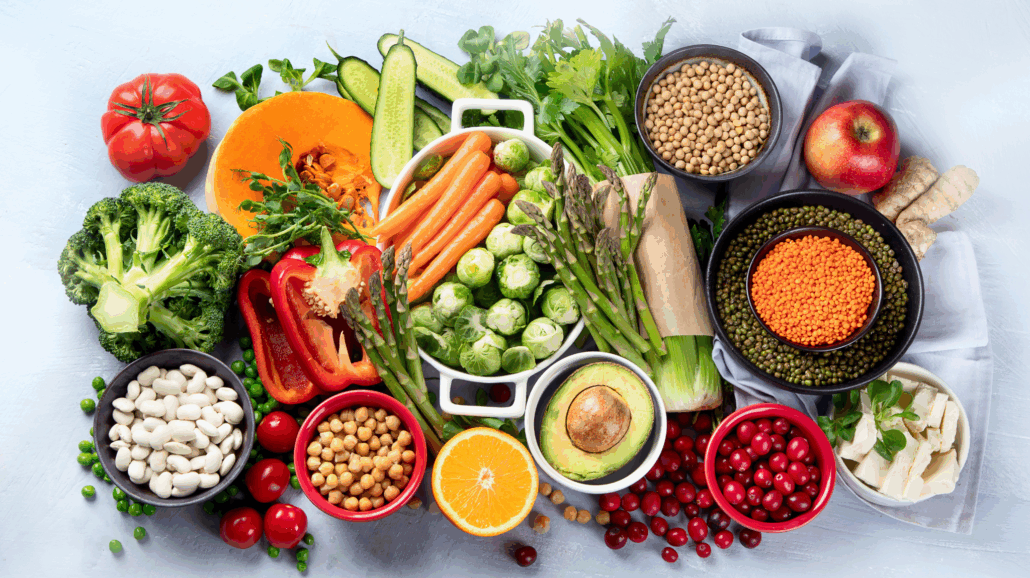
The MIND diet goes a step further, adding foods linked to dementia prevention. Developed in 2015 by researchers at Rush University in Chicago, this plan was specifically designed to improve brain health. Those following the MIND diet can choose food from 10 groups that include extra virgin olive oil, whole grains, seafood, beans and nuts, while avoiding five types of foods such as fried and fatty foods, sweets and red meat.
An important distinction between MIND and other diets is that green, leafy vegetables and berries are specifically encouraged, as these foods have been shown to boost brain function.
A Diet with Benefits
Scientific studies suggest that following the MIND diet slows cognitive decline. The first paper to report results was a 2015 study in which older adults filled out a questionnaire about the foods they already eat. Their diets were scored according to how closely they resembled the MIND, Mediterranean and DASH eating plans. The closer the participants’ diets were to MIND, the better they performed on cognitive tests.
Other observational studies have backed up this association. A study of healthy and obese adults found that adhering to the MIND diet was associated with the ability to process information more quickly than those who ate other foods. And data suggest that the MIND approach can help stroke survivors retain brain function.
MIND is also linked to a reduced risk of developing Alzheimer’s disease. Participants who closely followed a MIND-like diet have shown a 53% lower risk. But even people who just followed it moderately well had a 35% reduction in one study, showing that small dietary changes can have a big impact.
Another study showed that although some MIND followers had signs of Alzheimer’s in their brain after they died (shown through autopsy), they were mentally sharp while alive.
To really prove a connection, researchers have conducted randomized, controlled clinical studies, telling participants what to eat. Two such studies were published recently comparing low-calorie versions of MIND to a low-calorie control diet. Overall, participants lost weight in both studies, but results on brain function were mixed. One study reported improved cognition among adults who consumed a low-calorie MIND diet, whereas the other failed to see a statistically significant long-term difference in cognition.
How MIND Might Work
In general, foods included in the MIND diet are rich in nutrients known to have many benefits. For example, fatty fish like salmon have high levels of omega-3 fatty acids that are associated with good cardiovascular health. Leafy green vegetables such as kale and spinach have vitamins, minerals and antioxidants that can help prevent cognitive decline.
Studies on the MIND diet often propose that the antioxidant and anti-inflammatory properties of the foods could be responsible for its effects on brain health. The brain uses a lot of energy and oxygen and contains many fats susceptible to oxidation and the creation of free radicals.
Antioxidants counter this damaging process by neutralizing free radicals. Trans fats such as shortening or margarine can lead to inflammation, whereas many MIND diet foods reduce neuroinflammation. The randomized, controlled studies suggest that weight loss itself also could be a factor that helps brain function.
How to Tackle Holiday Meals
Although the holidays are a time to have fun and eat good food, researchers at Rush University have a few pointers for celebrating with MIND in mind:
- Eat special family foods, but in moderation.
- Pace yourself and make good choices.
- Include MIND-friendly foods.
- Don’t overbuy.
In short, be MINDful of what you’re eating!